CBHS Year 5 History
  • Home
  • Key Inquiry Questions
    • Introductory Tasks >
      • What is History?
      • What are Primary and Secondary Resources
      • Primary Resources
      • Secondary Resources
      • Fact or Opinion
    • Australian settlement patterns over time >
      • What is a Colony?
      • Life in Industrial Britain - 18th Century >
        • Living Conditions in Cities
        • Working Conditions
        • Prisons & Gaols
        • Sentencing for Crimes
        • Life for the Poor
        • Life for the Rich
        • American War of Independance
        • Industrial Revolution
        • Early Criminal Case Studies
        • Why Colonise Australia?
      • Gov Macquarie; Father of Australia >
        • Gov Macquarie's contribution to the colony >
          • Source Analysis 1
          • Source Analysis 2
      • Evolution of Australia's borders
      • Establishment of the Various Colonies >
        • New South Wales
        • Victoria
        • Queensland
        • Western Australia
        • Van Diemen's Land
        • South Australia
        • Norfolk Island
      • Inland Exploration >
        • Introductory Activity
        • Crossing the Blue Mountains >
          • Activity Sources
          • Impacts Crossing the Mountains
        • Own Choice >
          • Burke and Wills
          • John McDouall Stuart
          • Edward John Eyre and Wylie
          • Bass and Flinders
          • Charles Sturt
          • John Oxley
          • Ludwig Leichhardt
          • Kennedy & Jackie Jackie
    • Colonial Impact on Aboriginal & Torres Strait Islanders >
      • Causes of conflict between Colonists and Aboriginal people
      • Diverse Relationship between the Aboriginal peoples and the British >
        • Curiosity and conflict
        • British-Aboriginal relations: 1788-1820
        • Civilisation: the missionaries and Macquarie
      • First Contact & Early Relationships >
        • Partnership or Prisoner?
        • Resistance and Conflict
        • Summative Activity >
          • Aboriginal Lifestyle before and after British Colonisation >
            • Aboriginal and Torres Strait Islander peoples prior to British colonisation
            • Aboriginal Lifestyle after British Colonisation
      • Capt Cook and Terra Nullius
    • Environmental change due to settlement >
      • Introduced Species to Australia >
        • Fauna >
          • Indian Myna
          • Cane Toads
          • European Rabbit
          • European Red Fox
          • Camels
          • Horses and Donkeys
          • Pigs
          • Cats
          • Goats
          • Deer
          • Water Buffalo
        • Flora >
          • Prickly Pear
          • Lantana
          • Water Hyacinth
          • Blackberry
          • Bridal Creeper
          • Para Grass
          • Olive Hymenachne
        • Indigenous ways for caring for the land
      • Why not Botany Bay?
      • Colonisation Success and Struggles >
        • Stuggles within the New Colony
        • Successes within the New Colony
        • Opportunities for the New Colony
        • Threats to the New Colony
    • Significant People to shape the Australian Colonies >
      • Daily Life of Early Inhabitants >
        • Life of a Convict
      • Australian Migration pre 1900s >
        • Migrant Workers in Aust
        • Emigration of Women
        • Migrant Workers within Aust >
          • Afghan Cameleers
          • Japanese Pearl Divers
          • Chinese Miners
          • European; Italian, Greek, French
          • Danish
          • Lebanese
          • South Sea Islanders
      • Significant People who Contributed to the Early Colony >
        • Matthew Flinders
        • Ned Kelly
      • Disclaimer Significant Aboriginal people of colonial Aust >
        • Significant Aboriginal People of colonial Aust >
          • Bennelong
          • Pemulwuy
          • Arabanoo
          • Yagan
          • Bungaree
          • Trunganini
          • Fanny Balbuk
          • Bilin Bilin
          • Wyndradyne
          • Musquito
    • Significant events that shaped Australia >
      • Significant Event; The Gold Rush >
        • Source 1
        • Source 2
        • Source 3
        • Source 5
        • Source 4 (Challenge)
      • Significant Event; The Eureka Stockade >
        • Activity 1
        • Activity 2
        • Activity 3
        • Activity 4
        • Summary Activity
        • Further Information: Eureka Stockade
      • Significant events of Australia in the 19th century >
        • Gold Rushes
        • The Overland Telegraph
        • The Second Fleet
        • Myall Creek Massacre
        • The Rum Rebellion
        • Chinese Miner Riots
        • Fight for a 'Fair Go'
  • Thinker's Keys
    • The Alphabet Key
    • The Alternative Key
    • The BAR Key
    • The Brainstorming Key
    • The Brick Wall Key
    • The Combination Key
    • The Commonality Key
    • The Construction Key
    • The Different Uses Key
    • The Disadvantages Key
    • The Forced Relationships Key
    • The Interpretations Key
    • The Inventions Key
    • The Picture Key
    • The Prediction Key
    • The Question Key
    • The Reverse Key
    • The Ridiculous Key
    • The Variations Key
    • The What if.... Key
  • Questions Page
  • Helpful Websites
Picture
Learn More

Prickly Pear

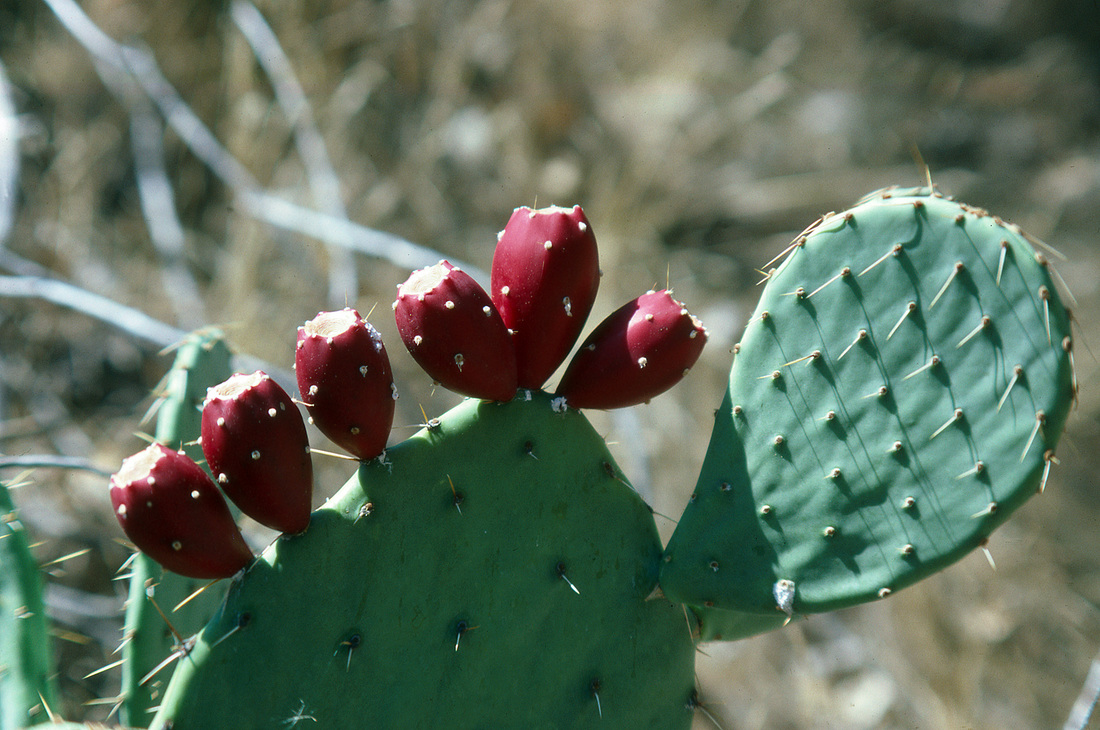
The first recorded introduction of prickly pear was attributed to Governor Phillip at Port Jackson in 1788. The reason for introducing the plant was to create a cochineal industry in the new colony. Cochineal is an insect that feeds on certain species of cactus and from which a scarlet dye is obtained. This dye was used to colour the distinctive red coats of the British soldiers at that time. (Source: www.daf.qld.gov.au)

Prickly pest pears are drought tolerant plants, which can impede movement and displace native vegetation and pasture species. (www.naturalresources.sa.gov.au)

Water Hyacinth

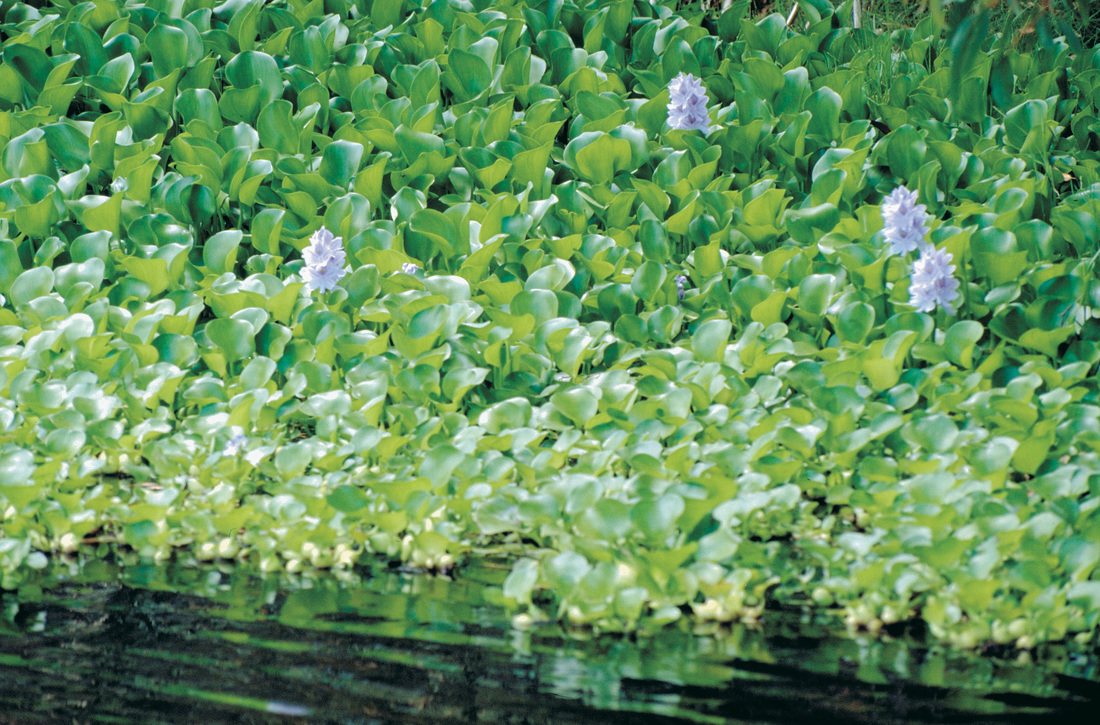
Water hyacinth is a floating waterweed with a fibrous root system and dark green rounded leaves up to 5 cm in diameter. Flowers are light purple with a darker blue/purple and yellow centre. They are carried in dense spikes projecting above the plant.

Rampant growth of water hyacinth can destroy native wetlands and waterways, killing native fish and other wildlife. 

Originally from Brazil, water hyacinth was introduced to the Brisbane metropolitan area as an ornamental pond specimen in the early 1900s. Valued for its floral presentation, it was released into ponds and lagoons in public parks throughout Queensland. Flooding then spread the plant into creeks, rivers and dams where, having no natural predators, it flourished and quickly became a nuisance.(Source: www.moretonbay.qld.gov.au)
Picture
Learn More
Picture
Learn More

Blackberry

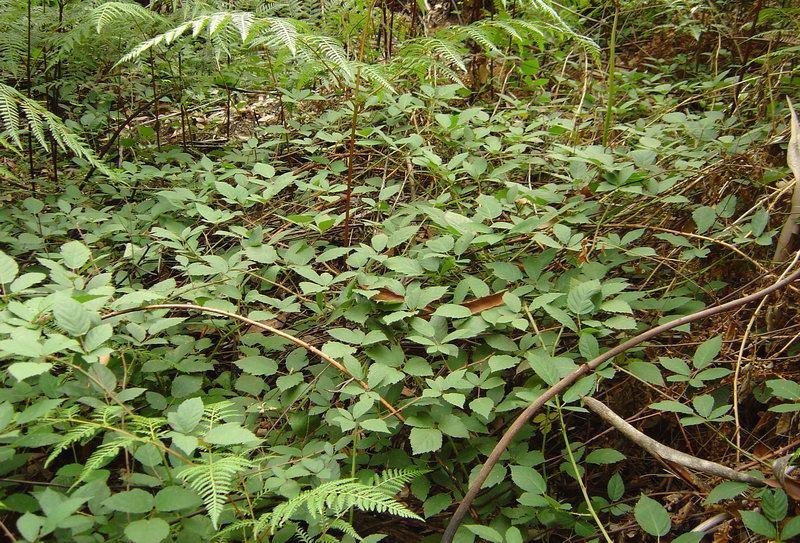
By the early 1840s, blackberry had been deliberately introduced from Britain into NSW for its fruit and for making hedgerows. Shortly after it escaped into the wild and by the 1880s was recognised as a significant weed.

Blackberry forms dense thickets that exclude native species, leading to its complete dominance of the understorey and eventually the canopy. The thickets also impede access, alter fire regimes and dominate the landscape.

Blackberries are spread mainly by birds and foxes and in water, such as creeks. (Source: http://www.environment.nsw.gov.au/)

Bridal Creeper

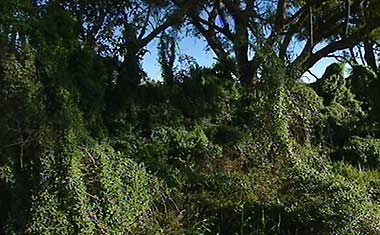
Bridal Creeper is a South African plant introduced in the 19th Century as a garden plant and it's one of the worst weeds in Australia. 

It is a climber or creeper that forms a dense, almost impenetrable, mat five to ten centimetres below the soil. The cover it creates prevents native plant seedlings from establishing and birds eating fruits spread seeds of the weed.
Picture
Learn More
Picture
Learn More

Para Grass

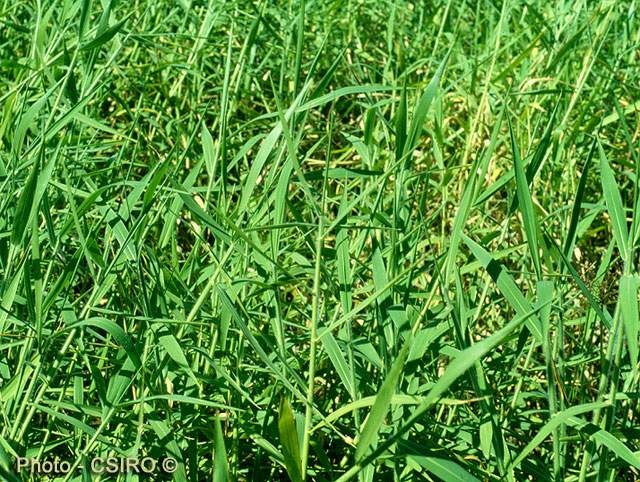
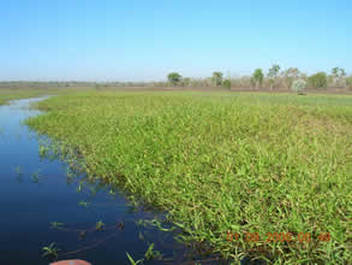
Para grass is a semi-aquatic plant native to tropical Africa. It was introduced into Queensland around 1880 to reduce soil erosion along the banks of waterways. (Source: https://www.daf.qld.gov.au) 

It can grow in water up to a metre deep from which it excludes all other species, establishing itself as a dense monoculture which completely obliterates open water. Para grass spreads rapidly, even into rainforest next to flood plains, carrying fire into these areas in dry times. (http://www.savanna.org.au/)

Olive Hymenachne

Hymenachne was first imported into Australia in the 1970s, with the aim of using it in ponded pastures too deep for para grass. Ponded pastures are used to provide stock feed during the dry season when other sources of protein have been used up. 

Hymenachne is a semi-aquatic grass that was introduced as fodder in ponded pastures of central Queensland. It was planted in tropical wetlands of northern Queensland and the Northern Territory, and has since escaped from cultivation and seriously threatens northern wetlands. Hymenachne invades permanent water bodies by blocking waterways, potentially causing flooding and threatening drinking water. (Source: http://www.environment.nsw.gov.au/)
Picture
Learn More
Picture
Learn More

Lantana

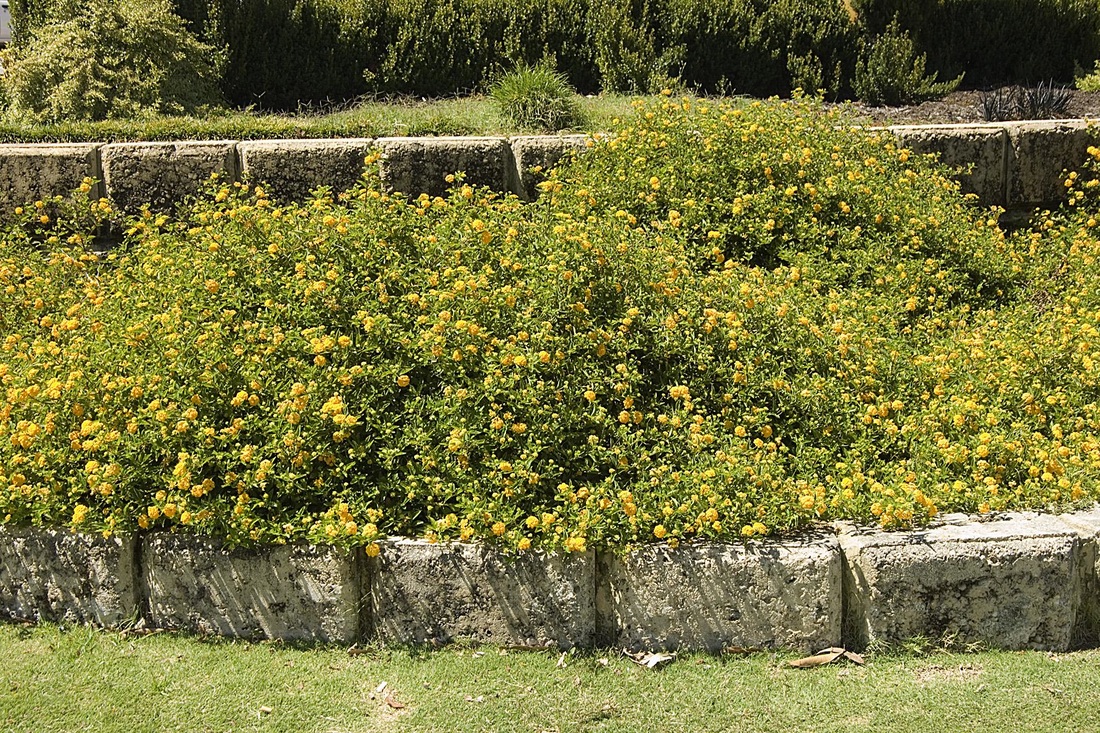
Lantana is a Weed of National Significance. It is regarded as one of the worst weeds in Australia because of its invasiveness, potential for spread, and economic and environmental impacts. Lantana forms dense (thick), impenetrable thickets that take over native bushland and pastures on the east coast of Australia. It competes for resources with, and reduces the productivity of, pastures and forestry plantations. It adds fuel to fires, and is toxic to stock. 

It is a problem in gardens because it can cross-pollinate with weedy varieties to create new, more resilient forms.
Powered by Create your own unique website with customizable templates.